Flood Water Cleanup in Arlington, TN
Flood water carries soil, fuel and sewage, so it is Category 3 from the first minute. The mitigation team removes the water and mud, takes out what cannot be saved and dries the structure.
(888) 849-5796Flood water inside? Start the mud-out- Category 3 protocol
- Mud-out and flood cuts
- Antimicrobial treatment
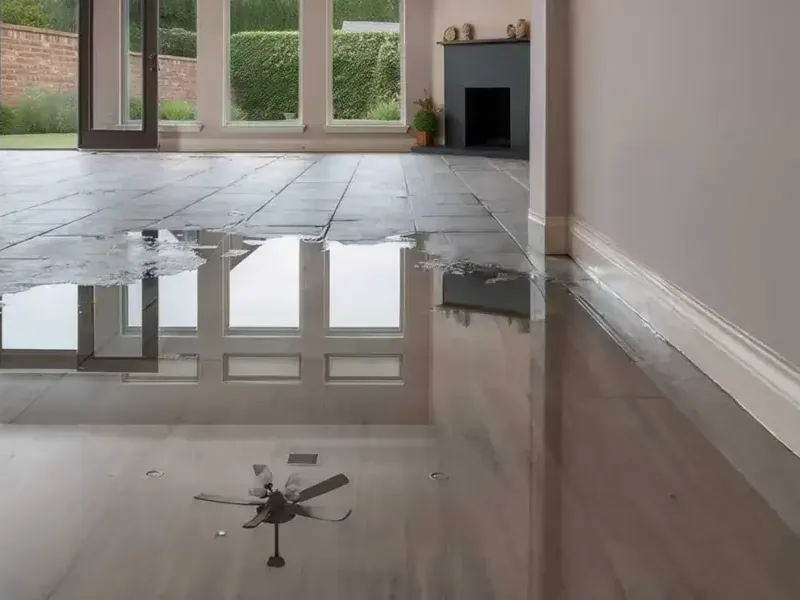
Flood Water Cleanup: what to do first
- Wait for the all-clear
Do not enter a flooded building until power is off and the water has stopped rising.
- Treat the water as contaminated
Wear boots and gloves, keep children and pets out and wash any skin the water touches.
- Photograph the high-water mark
The line on the walls shows the insurer how far the flood reached.
- Call the flood carrier early
Flood claims run through a separate flood policy, so report the loss to that carrier as well.
How the crew handles flood water cleanup
Mud-out and extraction
The extraction crew pumps out standing water and shovels and squeegees mud and debris before drying can begin.
Flood cuts above the water line
Drywall and insulation are cut out above the wick line, because porous materials touched by flood water are removed, not dried.
Clean, treat and dry
Framing and slab are cleaned, treated with an EPA-registered antimicrobial and dried with air movers and dehumidifiers.
What does flood water cleanup cost in Arlington, TN?
Most flood water cleanup jobs here run $4,000 to $25,000, because flood water is Category 3 and porous materials come out. A whole ground floor with deep water can run higher.
Shallow water, a few rooms
- Extraction and mud-out
- Flood cuts and pad removal
- Antimicrobial and drying
Most of a ground floor
- Flooring and lower walls removed
- Cabinets and doors addressed
- Containment and HEPA filtration
Deep water or long exposure
- Full gut of affected walls
- Contents removal and disposal
- Extended drying and testing
Ranges only, not a quote. The drivers are the water category, the square footage, the material class and how fast drying started. For a planning number, try the water damage cost calculator.
Flood water cleanup is a different job from a pipe leak. River and storm water picks up soil, fertilizer, fuel and sewage on its way into the house, so every surface it touched is treated as contaminated.
Where flood water comes from around town
The Loosahatchie River runs along the north side of town in a fully channelized course. On December 24 and 25, 1987, more than 9 inches of rain fell in 12 hours over northern Shelby County and the river near town ran at about its 50-year flood flow. The USGS keeps a stream gauge on the Loosahatchie that tracks those rises.
- Low ground north of the railroad tracks takes river water first
- Flash flooding from heavy storms backs up streets and yards anywhere in town
- Water that enters through doors and weep holes soaks the lower walls first
How flood water cleanup is done safely
The mitigation team wears respirators, gloves and boots, sets containment where needed and runs HEPA air scrubbers. Drywall is cut above the wick line, insulation comes out, and framing and slab are cleaned and treated before drying starts. If the flood pushed sewage into the house, the same sewage backup cleanup protocol applies.
Flood water cleanup and flood insurance
Homeowners policies usually exclude rising surface water, which falls under a separate flood policy, and new flood policies usually carry a 30-day waiting period. FloodSmart, the National Flood Insurance Program site, explains what a flood policy pays for. Coverage depends on your policy, so check with your own insurer.
The four stages of flood water cleanup
- 01
Make it safe
Power is confirmed off, hazards are marked and the crew suits up for Category 3 water.
- 02
Pump and mud-out
Standing water, mud and debris are removed from floors, crawl spaces and garages.
- 03
Remove and treat
Wet drywall, insulation and flooring come out; framing is cleaned and treated with antimicrobial.
- 04
Dry and verify
Air movers and dehumidifiers run until framing and slab readings reach the dry goal.
Flood water cleanup across Arlington and nearby towns
The restoration team covers ZIP 38002 from Depot Square and the Highway 70 corridor out to Chapel Ridge, Hunters Walk, Belmont, Summer Meadows and the newer streets off Airline Road.
Nearby coverage reaches Lakeland, Bartlett, Brunswick, Eads, Oakland, Gallaway, Atoka and Munford.
38002
Flood Water Cleanup questions in Arlington, TN
Is flood water always Category 3?
Yes. Water from rivers, creeks and overland flooding carries soil, bacteria and chemicals, so the IICRC treats it as Category 3 from the start.
Can flooded drywall be dried instead of removed?
No. Drywall and insulation touched by flood water are cut out above the wick line, because porous materials cannot be reliably cleaned of contamination.
Does homeowners insurance cover flood water?
Usually not. Rising surface water is typically covered only by a separate flood policy, often through the National Flood Insurance Program. Coverage depends on your policy, so check with your own insurer.
How long does flood water cleanup take?
Mud-out and removal often take one to three days, and drying usually takes another three to seven days, longer for slabs and deep water.
Is it safe to stay in the house during flood cleanup?
Not in the affected rooms. Containment, removal and antimicrobial treatment create dust and fumes, so occupants usually stay out of the work area.
What happens to furniture and belongings?
Porous items soaked by flood water, such as mattresses and upholstered furniture, are usually discarded. Hard items can often be cleaned and disinfected.
River or storm water in the house? Call now.
Flood water spreads contamination into everything it touches. The mitigation team handles Category 3 cleanup 24/7 across northeast Shelby County.