Water Damage Restoration in Munford, TN
A burst pipe, a flash flood or an overflowing STEP tank in Munford does the same harm when the water sits. Crews extract, dry and log every reading for the claim.
(888) 849-5796Call about wet floors and walls- Flood and sewage water out
- Moisture readings every visit
- Claim-ready photo records
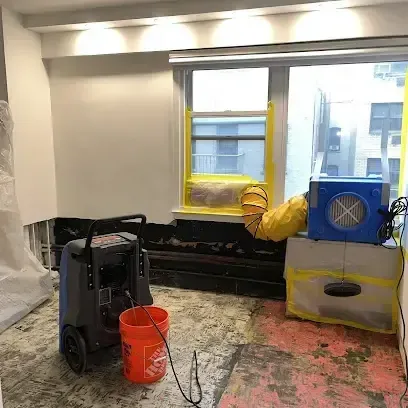
First steps when water is loose in the house
- 1Find the main shut-off valve and close it if a pipe has burst or frozen. Public Works advice here is to know where that valve sits before trouble starts.
- 2Switch off power to wet rooms if the panel is safe to reach.
- 3Photograph the water, the source and anything damaged before contents move.
- 4Call for a crew. Sewage, a STEP alarm that will not quiet or flood water outside gets Category 3 handling, so keep hands and pets out.
Fourteen water damage services for local homes and shops
Each page covers one cause of water loss, from supply pipe failures to sewage and flood water. The crew works the same way on all of them: stop the source, remove the water, dry the structure.
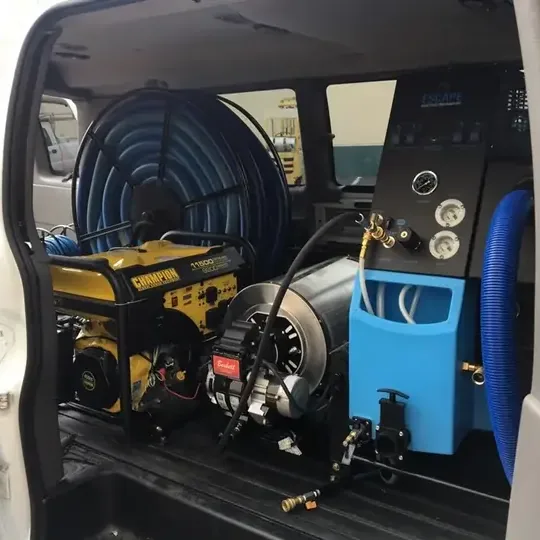
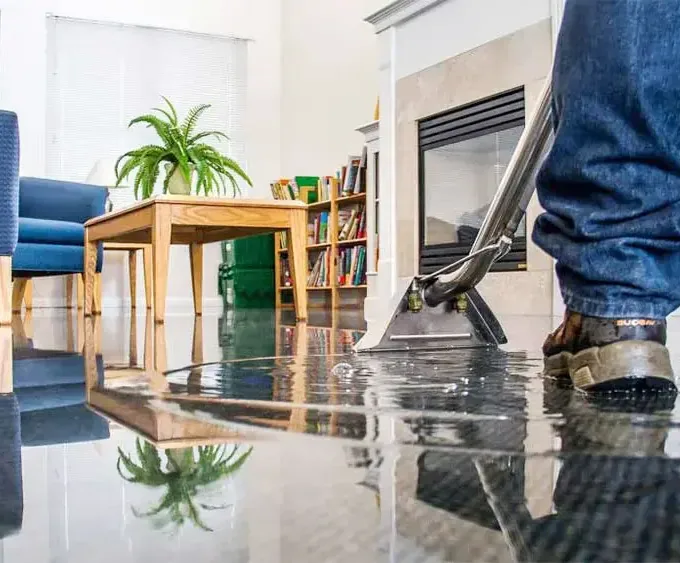 Water Extraction and RemovalTruck-mounted pumps and wand tools pull standing water off floors before any drying equipment goes in.See the service page
 Burst Pipe CleanupWater from a split pipe is stopped, wet cavities are opened and framing is dried to a reading.See the service page
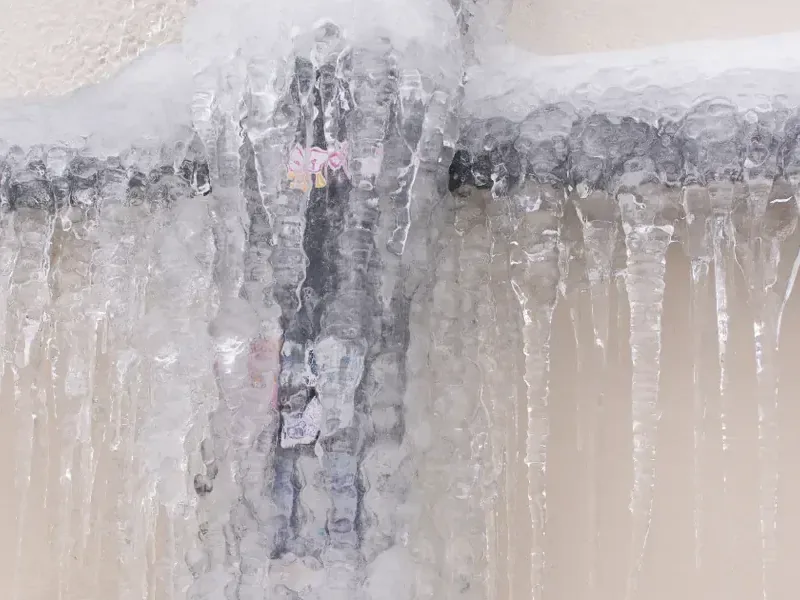 Frozen Pipe Water DamageCold cracks a pipe and the thaw releases the water, so walls and cabinet bases get dried out.See the service page
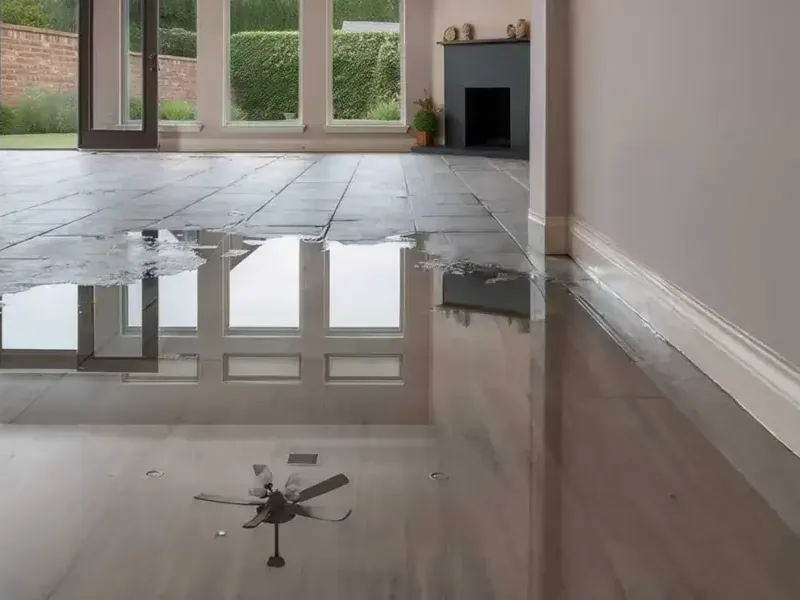 Flood Water CleanupFlash flood water is Category 3, so mud-out, removal of porous materials and antimicrobial work come first.See the service page
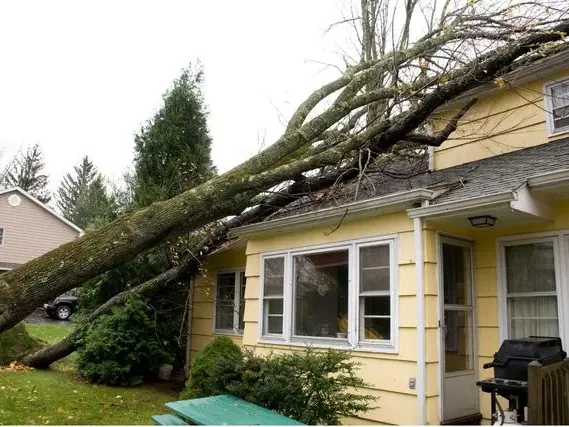 Roof Leak Water DamageRain through shingles or flashing soaks insulation and drywall; wet material comes out and the attic is dried.See the service page
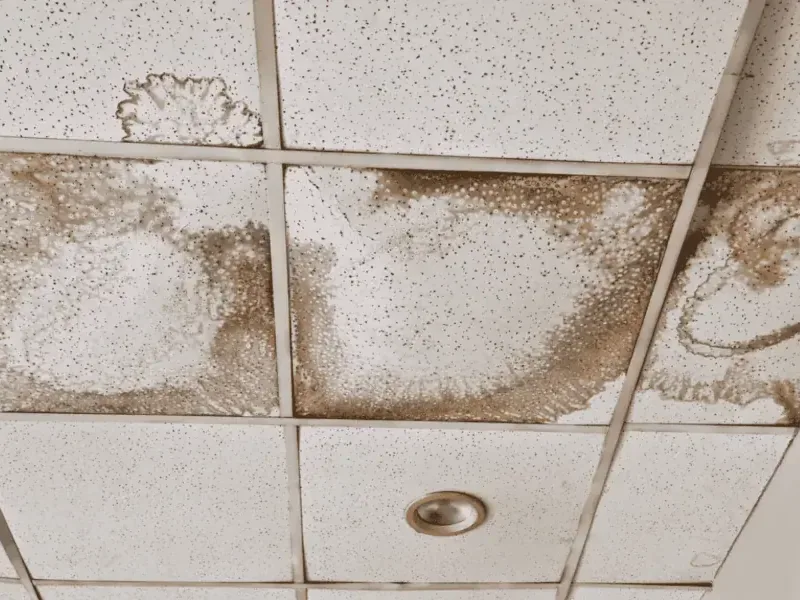
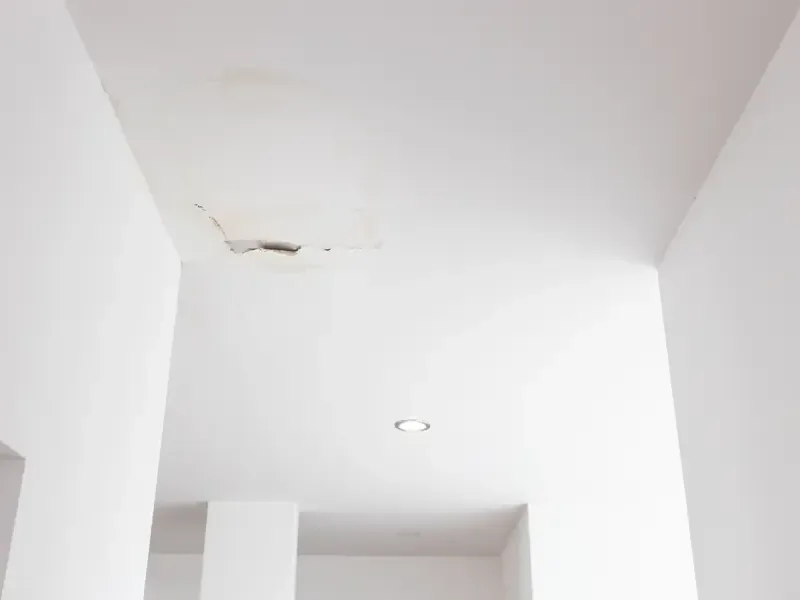
 Ceiling Leak Water DamageA brown ceiling stain is traced to its source, then the ceiling is dried in place or opened.See the service page
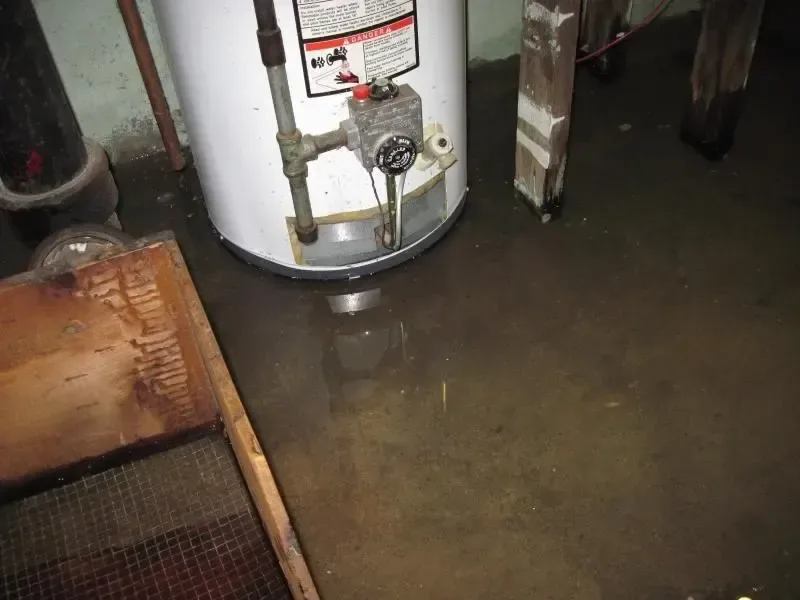 Water Heater Leak CleanupA failed tank, gas or electric, can flood a closet or garage; the water is extracted and walls dried.See the service page
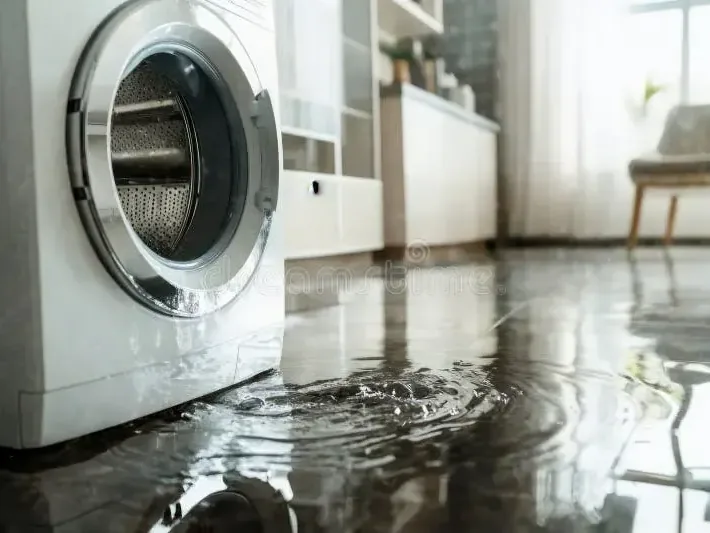 Appliance Leak Water DamageA burst washer hose or dishwasher supply connection spreads water under cabinets and flooring.See the service page
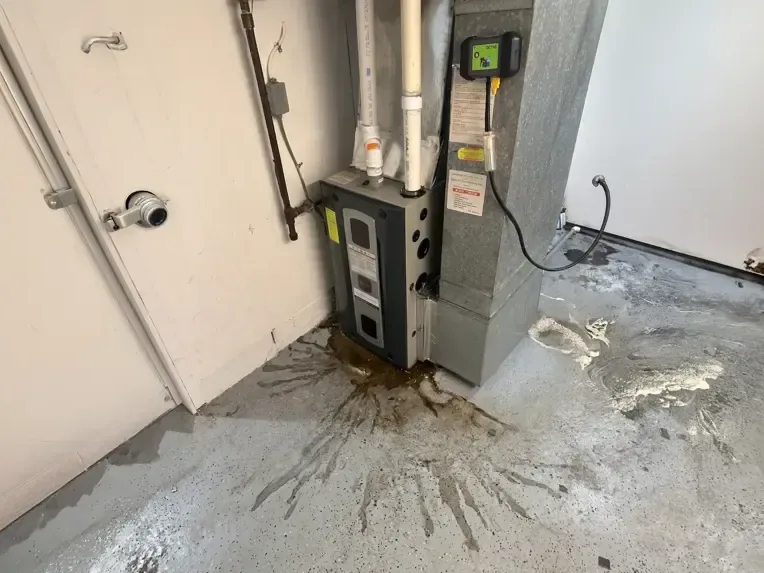 AC Condensate Leak Water DamageA clogged AC drain overflows into a ceiling or closet, and the wet insulation and drywall are dried.See the service page
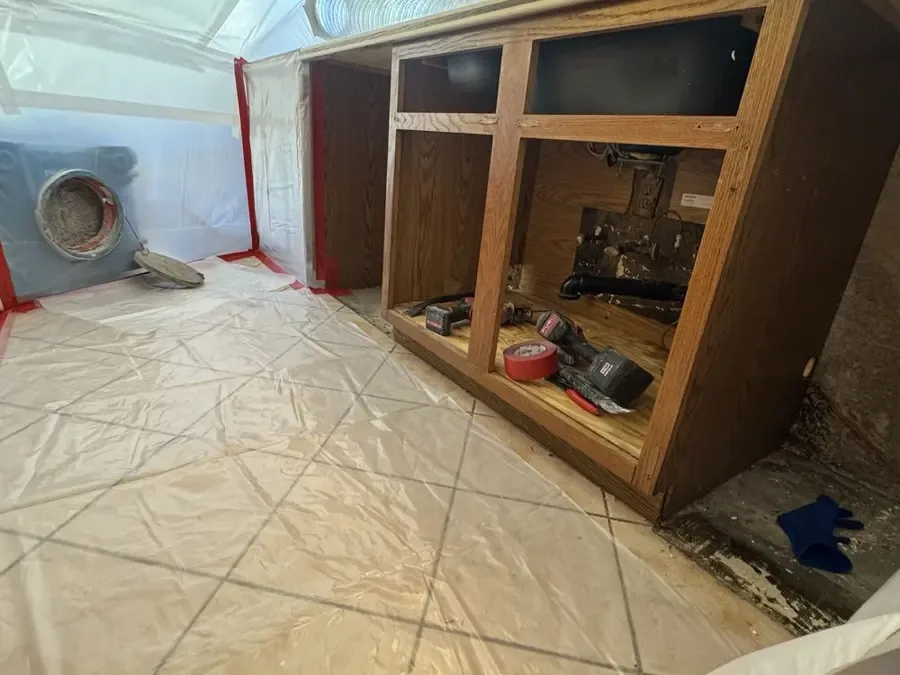 Slab Leak Water DamageA leak under a concrete floor shows as damp flooring; moisture mapping finds the wet area.See the service page
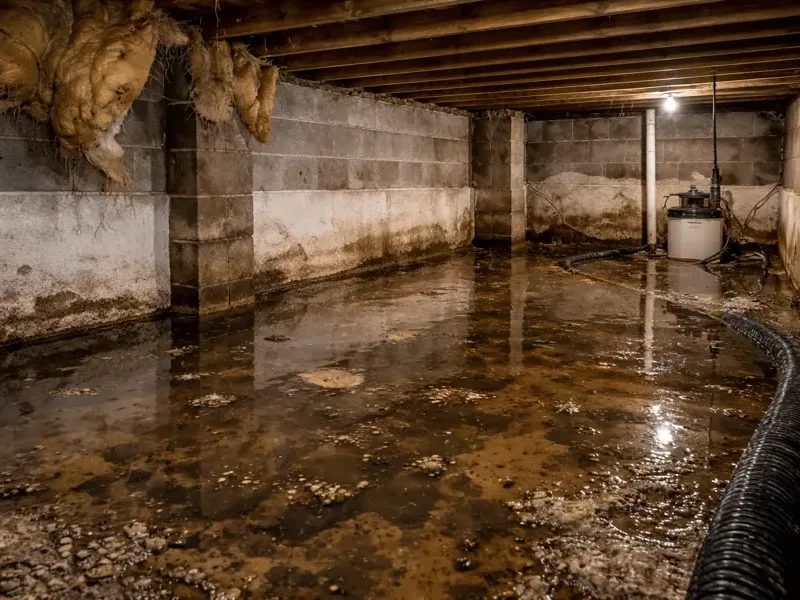 Crawl Space Water RemovalWater under the floor is pumped out, wet insulation is removed and joists and subfloor are dried.See the service page
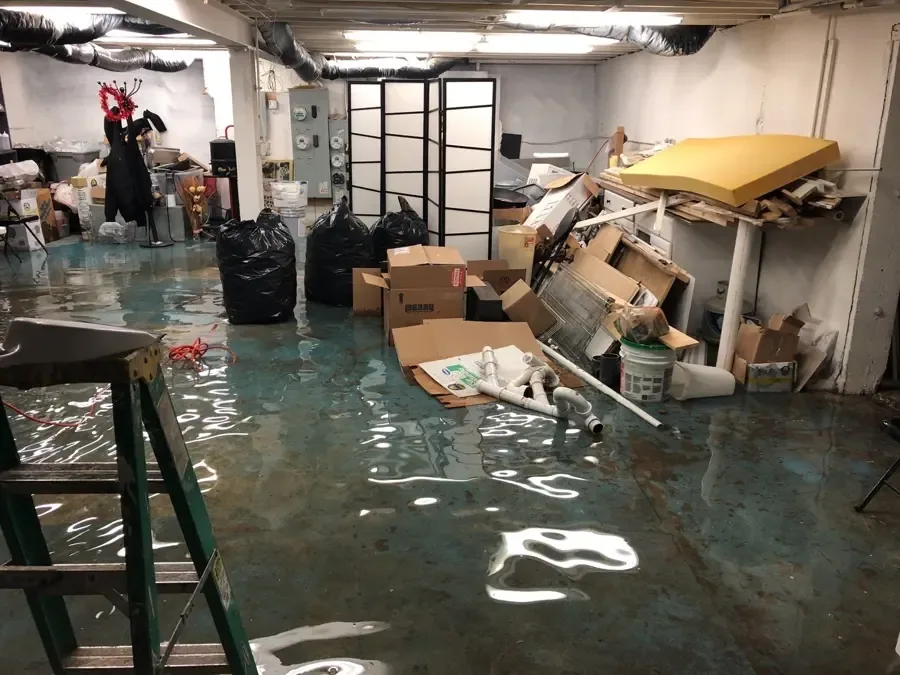 Sewage Backup CleanupSewage backups, including STEP tank overflows, get containment, removal of porous materials and disinfection.See the service page
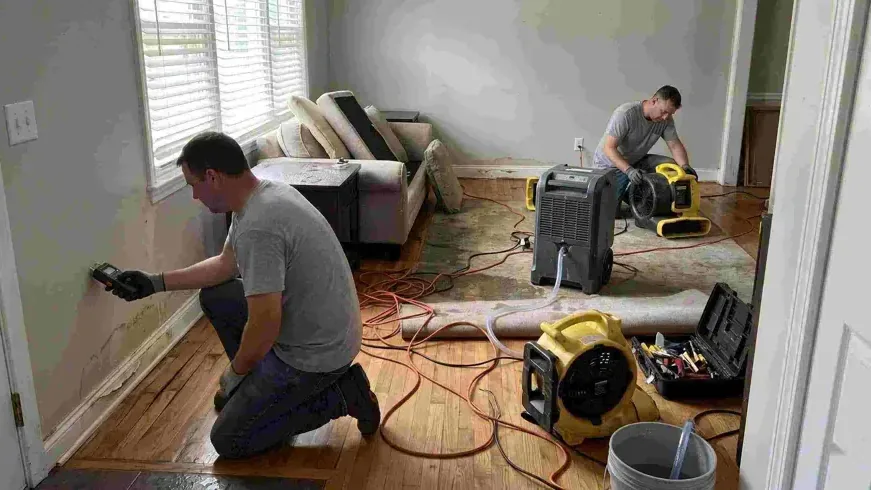
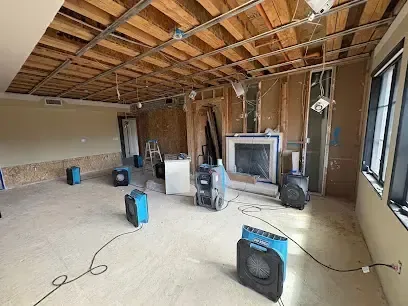 Structural Drying and DehumidificationAir movers, dehumidifiers and daily meter checks dry framing, floors and subfloors to a target.See the service page
 Commercial Water DamageStorefront and office water losses are dried in phases so the business can keep working where it can.See the service page
From the first call to the last dry reading, every step is written down
Every job follows a fixed order: stop the source, remove the water, dry the structure and keep records that an adjuster can read without guessing.
- 01
Rapid local response
A call starts the crew moving with extractors, pumps and drying equipment already loaded, so water removal begins as soon as the crew is inside.
- 02
IICRC S500 drying standard
Wet materials are measured against unaffected ones, equipment is placed by the readings and each day's numbers decide when drying ends.
- 03
Claim-ready documentation
Photos, moisture logs and scope notes are kept as the work moves, so the adjuster sees what was wet, what was removed and why.
- 04
Local water know-how
The May 2010 flood in Tipton County, July 2019 business flooding and STEP tank systems at some homes mean crews plan early for contaminated water.
What does water damage restoration cost in Munford, TN?
Costs fall in three bands set by how far water spread and how dirty it is. Contained clean-water loss runs $1,000 to $3,500; wet walls and flooring run $3,500 to $9,000; floods or sewage run $9,000 to $15,000+.
Contained clean-water loss
- Extraction and fan drying in place
- One or two rooms affected
- Daily moisture readings for the file
Water inside walls and flooring
- Flood cuts and wet pad removal
- Injection drying behind the baseboards
- Several days of drying equipment
Flood, sewage or long-running loss
- Category 3 containment and disposal
- Porous materials removed and bagged
- Extended drying with final testing
Insurance may cover sudden and accidental water, but not every cause or every cost. Final figures come from the scope after meters and a walk-through, never from a guess on the phone.
Drying judged by readings, not by feel
IICRC S500 is the written standard for professional water damage work. It sorts water into categories, sets drying classes and expects readings that show when each material is dry.
- IICRC S500 drying method
- Truck-mounted water extraction
- Psychrometric drying logs
- Category-based safety steps
Documents for the insurance claim
Adjusters look for proof of when the loss started and what was done.
- Dated photos of the damage and the source
- Daily moisture readings from each drying visit
- An itemized list of removed materials
- Notes on the equipment used and the days run
Coverage depends on the policy and the cause of loss, and nothing here promises a payout. Homeowners should read the policy or call the carrier before signing a work authorization.
Three categories decide how the cleanup is run
Category 1: clean source
Water from a supply pipe or tank at the start; it degrades if it sits in porous materials.
Category 2: used water
Water from a washer or dishwasher drain carries contaminants, and wet porous materials usually come out.
Category 3: contaminated water
Sewage, rising creek water and flash flood water all fall here, and the crew works in containment with protective gear.
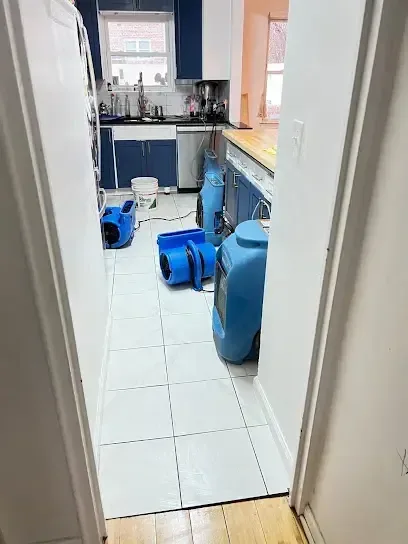
Sewage backup cleanupMoisture checks, extraction and drying equipment
Water damage service across Munford and Tipton County
Homes and businesses across ZIP code 38058 get the same crew, from downtown Munford to the county roads.
ZIP code covered
Whether the call comes from a home near Tipton Road or a business on State Route 206, the same crew and the same drying standard apply.
Residential areas
Villages of Green MeadowsEastwoodFranklin MeadowsRolling Oaks Estates
Corridors
Tipton RoadGilt Edge RoadState Route 206U.S. Highway 51
Nearby towns
One call reaches Munford water damage pros, 24/7
One call starts the dispatch, whether a pipe split in an attic at midnight or flood water is coming under a door. The crew asks a few questions, then loads pumps, extractors and drying gear.
Flash floods, STEP sewer tanks and winter freezes shape water jobs here
The city's Public Works Department handles water, sewer and natural gas, so an interrupted supply or a failing sewer is a local matter. Big Creek, a Loosahatchie River tributary, has a watershed that includes the city, Atoka and Millington. The two events below both put water inside local buildings.

Tipton County had its worst flooding on record on May 1, 2010, a 100-year flood event. Flash flooding devastated parts of Munford and Atoka, and reported damage reached $20.4 million.
After the remnants of Hurricane Barry in July 2019, officials said at least six or seven Munford businesses had taken flood water inside their buildings.
- Flash flood water reaches floors fast and is Category 3, so carpet, pad and lower drywall are usually removed rather than dried.
- About 350 residences use STEP tank-and-pump systems, and an overflowing tank is a sewage loss.
- Public Works says to shut water off immediately when a pipe freezes or bursts; crawl spaces and attached garages are weak spots.
- CodeRED, the city's opt-in alert service, sends flash flood and severe thunderstorm warnings to enrolled residents.
Water damage questions from local homeowners
What should happen first when water is coming into a house?
Stop the source if it can be reached safely, close the main valve for a burst pipe, and switch off power to wet areas. Then call. A household vacuum should never be used on standing water.
What does a STEP alarm mean for a Munford home?
The alarm box outside the house sounds when the tank level is too high or too low. After a power outage it may only need silencing. An overflowing tank, or an alarm light that stays on for more than 6 hours, calls for sewage backup cleanup, not just silencing.
Is flash flood water handled differently from pipe water?
Yes. Water from a supply pipe starts clean, while flood water carries mud, runoff and sewage and is treated as Category 3. Flood water cleanup usually removes carpet, pad and lower drywall rather than drying them, and the area is disinfected.
Does insurance pay for water damage restoration?
Policies often cover sudden and accidental losses such as a burst pipe. Flood water usually needs separate flood coverage, and slow leaks are often excluded. The policy and the cause decide, so the carrier should be contacted before work is authorized.
Where do pipes freeze first in a house?
The city's Public Works advice names crawl spaces, unheated rooms, outside walls and plumbing routed through an attached garage. Wrapping exposed pipes, letting a small trickle run overnight and knowing the main shut-off valve all help.
How is a building dried once the water is out?
Structural drying runs air movers and dehumidifiers for several days while meters track the framing, subfloor and drywall. Injection drying treats closed wall cavities. Equipment leaves only when the readings show the materials are dry.
Can a business keep operating during water damage work?
Often, with phased drying. Work can move suite by suite or after hours, with containment between zones. After the July 2019 flooding, six or seven Munford businesses had water inside, so documentation for the business claim matters.
Does the crew repair the pipe, roof or drain too?
The crew removes water, dries the structure and documents the loss. Repairs such as a new supply pipe, a roof patch or a cleared condensate drain go to a plumber, roofer or HVAC technician, with drying planned around them.
Is flood water safe to touch?
No. Flood water and sewage can carry bacteria, so skin contact, wading through it and running household fans over it should wait for the crew. Gloves and boots are the minimum while anything is moved.
What records does the crew keep for the claim?
A dated photo set, a moisture map, daily readings and a list of removed materials. Together they show the adjuster what was wet, what came out and when each material tested dry.
Water in the house? Call before it spreads
Water keeps spreading into wood, drywall and insulation until it is removed. One call gets the crew working, and the claim file starts with the first reading.