Oakland, TN Water Damage Restoration
Oakland homes take on water from burst pipes, roof leaks and creek overflow. The crew pumps it out, dries the structure to a measured goal and keeps the records an adjuster asks for.
(888) 849-5796Dry out my Fayette County home- Standing water pumped first
- Fayette County coverage
- Moisture logged each visit
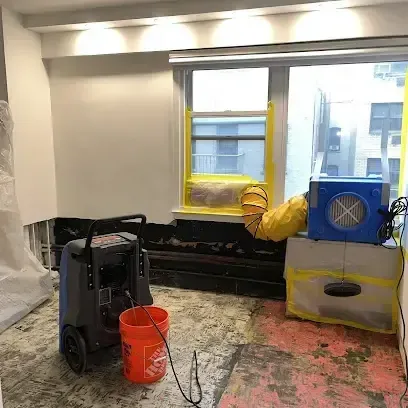
First moves when water gets into the house
- 1Close the shutoff valve at the fixture or the home's main valve, then switch off power to any wet room before stepping into standing water.
- 2Take photos and short videos of the water and every damaged item.
- 3Lift small items, roll back loose rugs and open cabinet doors so air can move.
- 4Then call the crew and describe the source, how long the water has stood and which floors are wet.
Water services for local homes and businesses
Every service has its own page with steps, price ranges and answers. Pick the one that matches what happened, or describe the water on a call and the crew will match the fix.
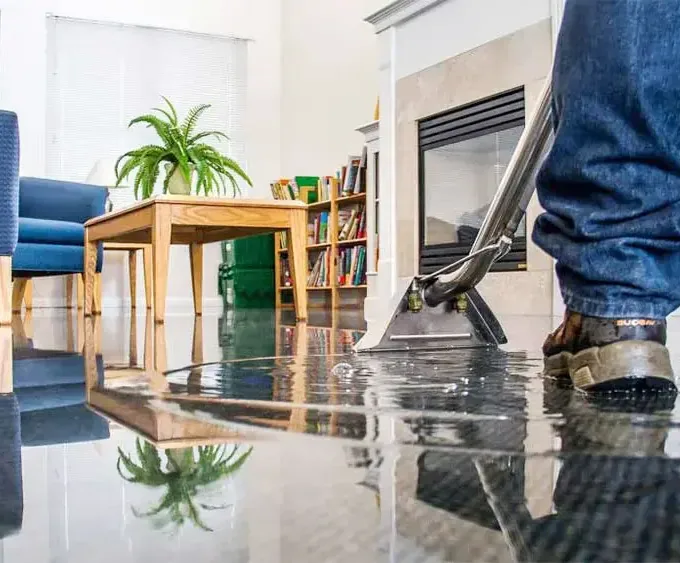 Water Extraction and RemovalTruck-mounted pumps lift standing water and soaked carpet pad out before it wicks into walls and subfloors.Open the service
 Burst Pipe CleanupA split supply pipe soaks rooms fast, so extraction and wall drying come first.Open the service
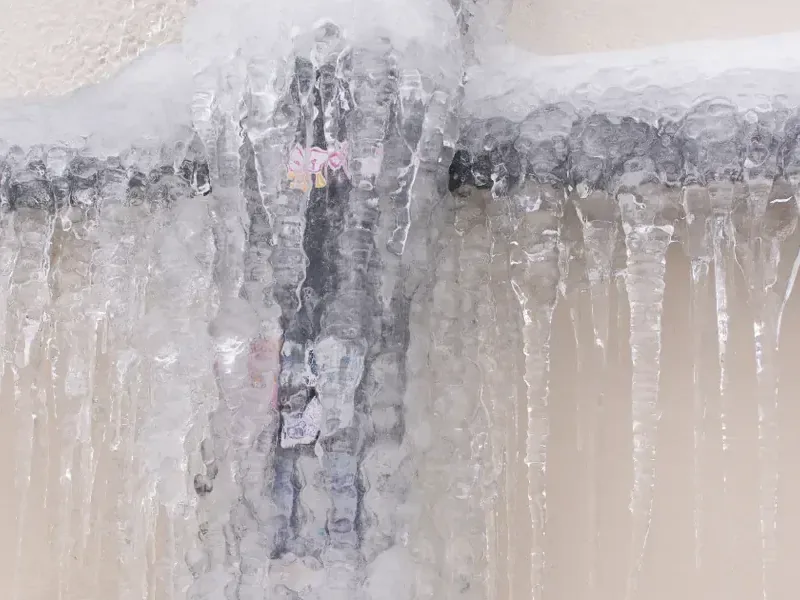 Frozen Pipe Water DamageA pipe that split in a hard freeze often leaks only after the thaw, soaking walls and ceilings.Open the service
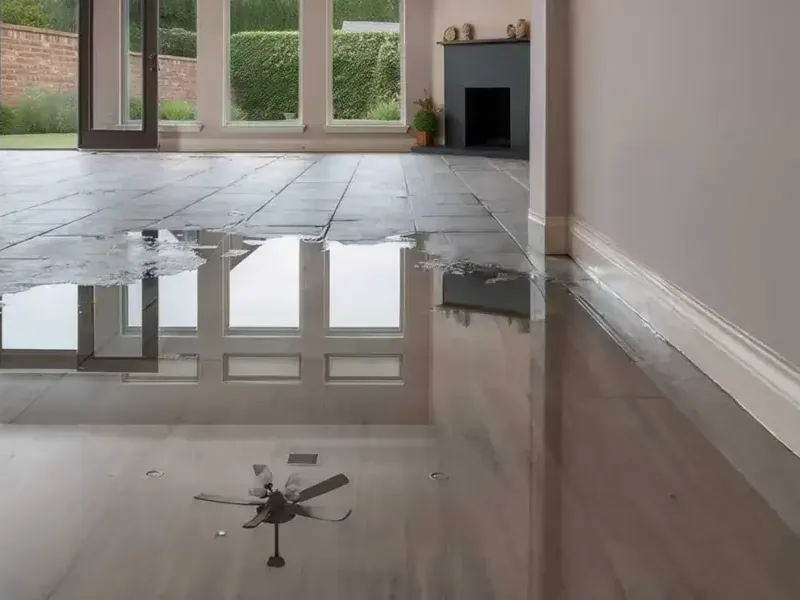 Flood Water CleanupCreek and storm water get mud-out, debris removal, flood cuts and antimicrobial treatment.Open the service
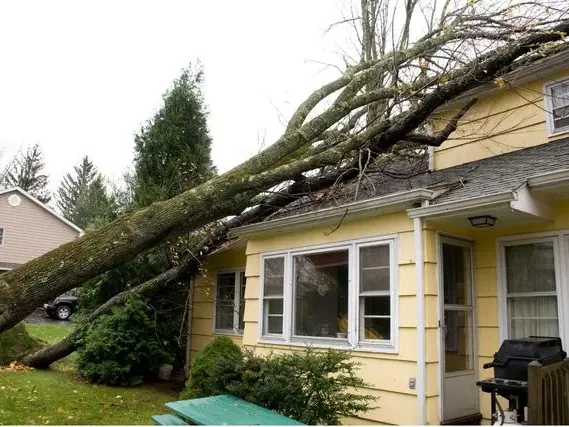 Roof Leak Water DamageRain that gets past shingles or flashing soaks insulation and ceilings, which are dried or opened.Open the service
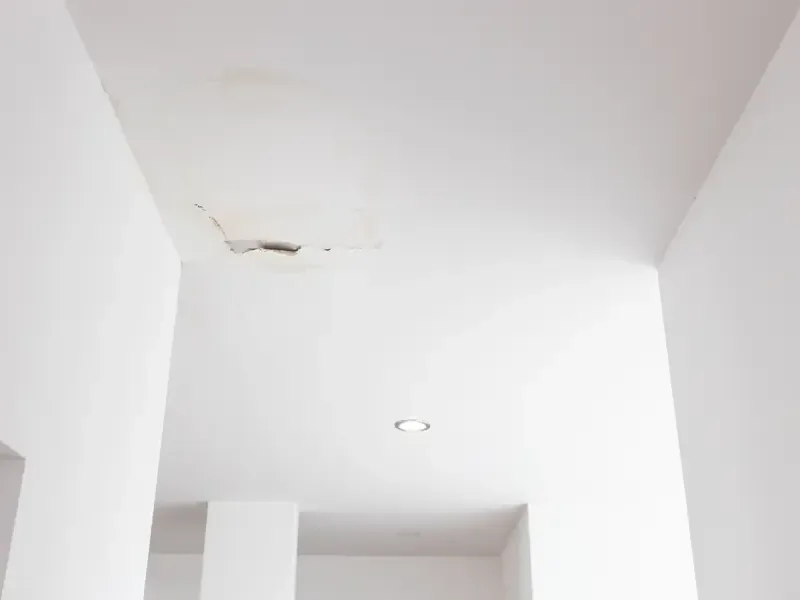
 Ceiling Leak Water DamageA ceiling stain is traced to its source, then dried in place or opened if the drywall is saturated.Open the service
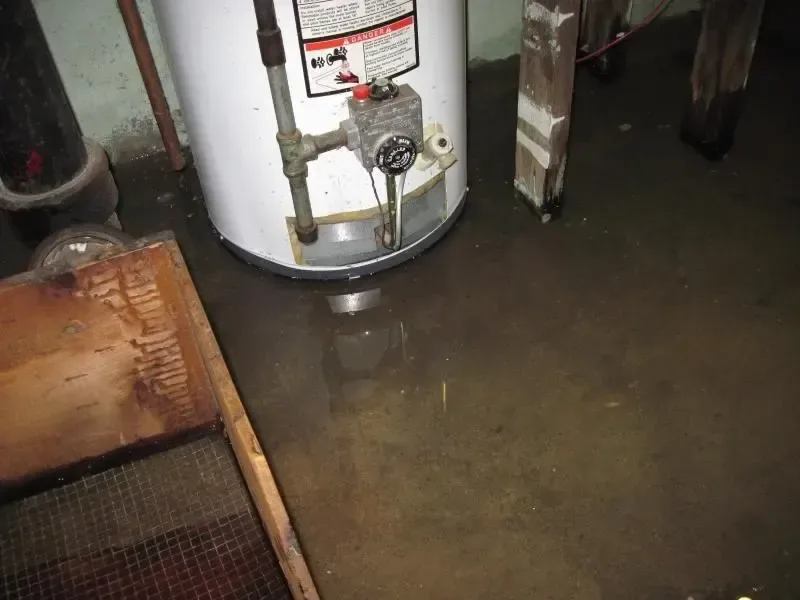 Water Heater Leak CleanupA failed tank floods a closet, garage or attic, and the surrounding floors and walls need drying.Open the service
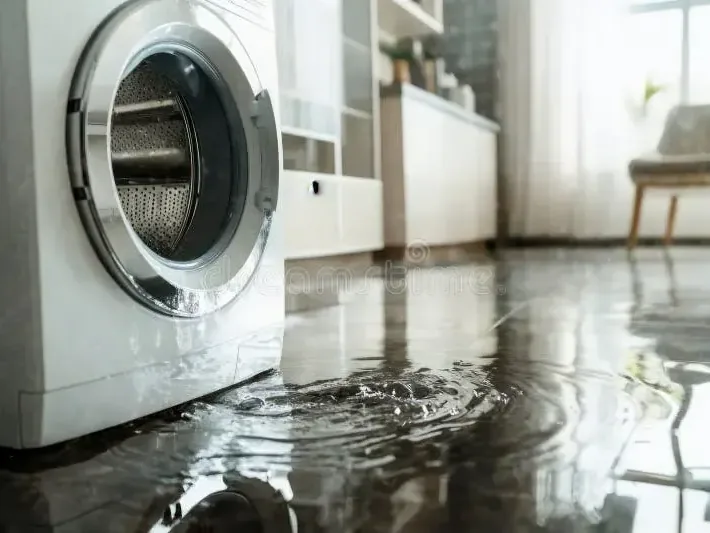 Appliance Leak Water DamageWashers, dishwashers and refrigerator supply hoses leak behind cabinets, so floors and toe kicks get dried.Open the service
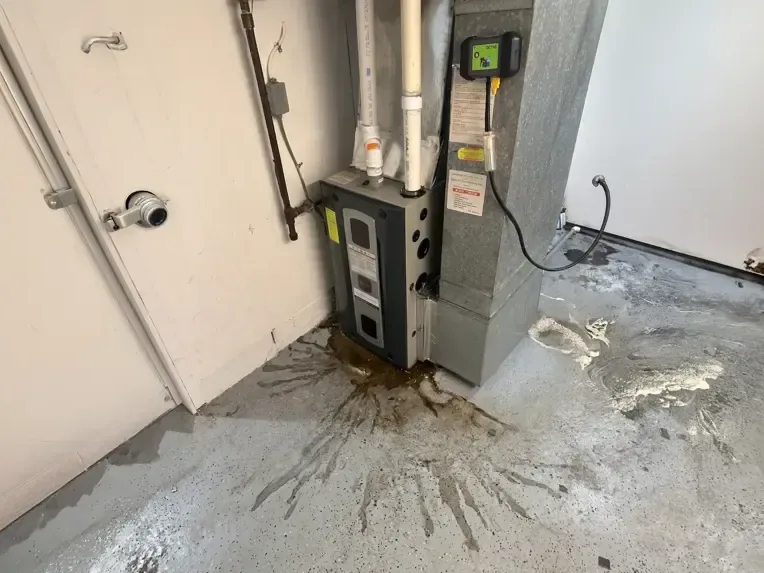 AC Condensate Leak Water DamageA clogged condensate drain overflows into ceilings and closets, and the wet insulation is removed.Open the service
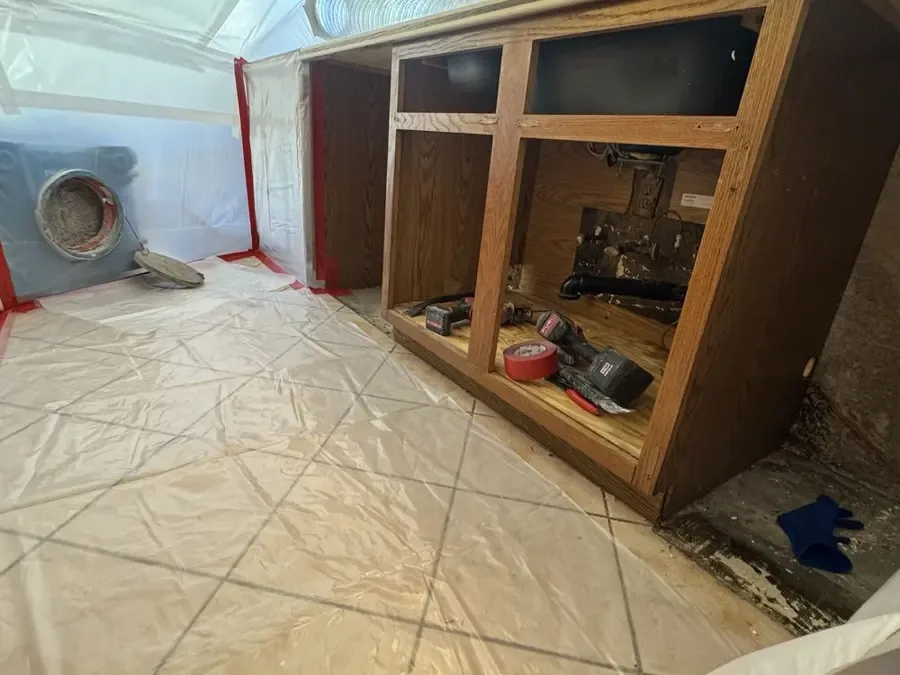 Slab Leak Water DamageWater rising through a slab leak soaks flooring from below, so the slab and walls are mapped and dried.Open the service
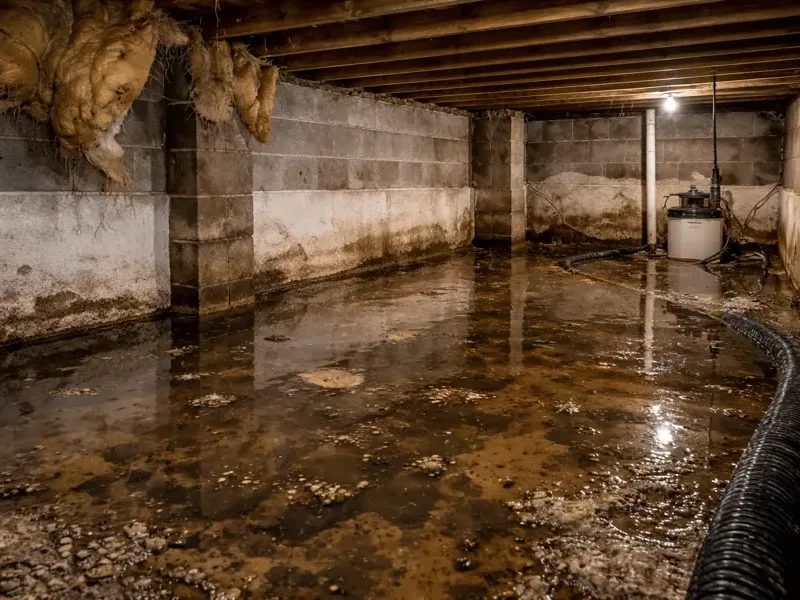 Crawl Space Water RemovalWater pooled under the floor is pumped out, wet insulation comes out and the joists are dried.Open the service
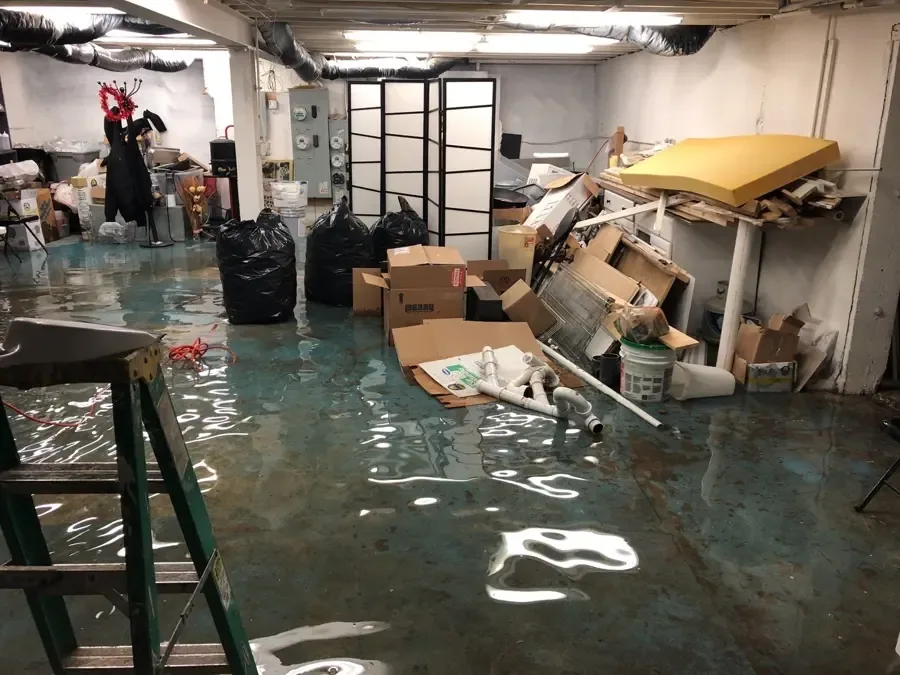 Sewage Backup CleanupBacked-up drains bring Category 3 water indoors, which calls for containment, removal and disinfecting.Open the service
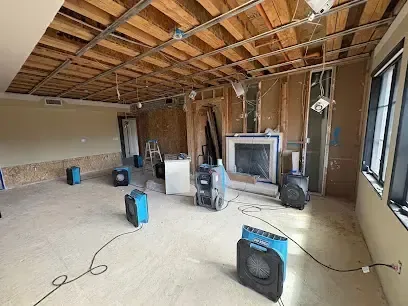 Structural Drying and DehumidificationAir movers and dehumidifiers run until readings in studs, floors and slabs reach their dry goals.Open the service
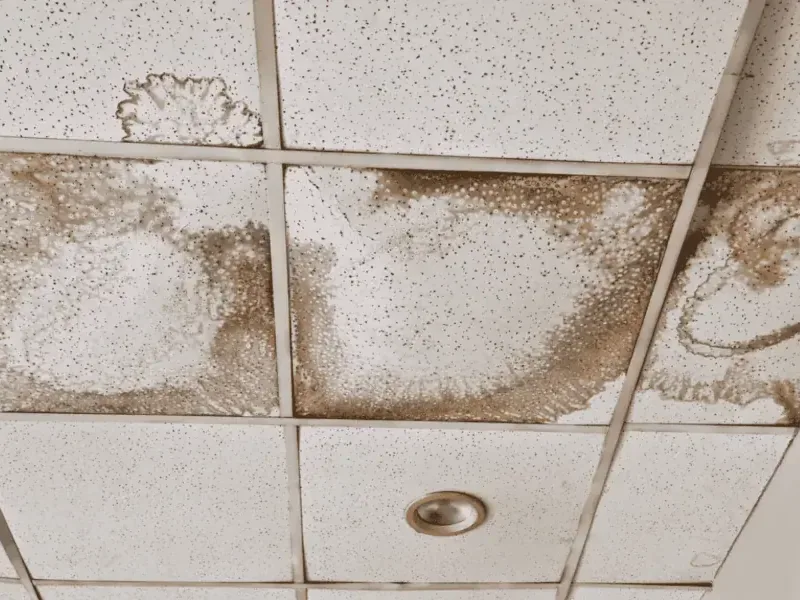 Commercial Water DamageShops, plants and recreation sites get phased drying plans that keep the business running where possible.Open the service
How the crew handles water damage in Oakland homes
Every job follows the same order: stop and contain the water, extract it, dry the structure and document each reading. Skipping a step is how hidden damage and odor come back.
- 01
Rapid local response
The first visit goes to finding the source, stopping the spread and mapping which surfaces are wet, so the drying plan rests on readings instead of guesses.
- 02
IICRC S500 drying standard
Equipment is placed by the S500 method: air movers and dehumidifiers sized to the wet area, with daily readings until each material reaches its dry goal.
- 03
Claim-ready documentation
Photos, moisture maps and equipment logs are saved for every visit, so an adjuster can see what was wet and what was done.
- 04
Local water know-how
Local records point to creek and lake overflow in Northwood Estates, so ground-floor water, mud and debris are expected on those jobs.
What does water damage restoration cost in Oakland, TN?
Most jobs land between $1,000 and $15,000 or more, depending on the water category, how many rooms are wet and how many days of equipment the drying takes. A contained clean-water loss sits at the low end.
One room, clean water
- Extraction and air movers set
- Wet pad removed and bagged
- Meter readings every day
Several rooms or a ceiling
- Flood cuts where walls wicked
- Injection drying for wall cavities
- LGR dehumidifiers for several days
Whole floor or Category 3
- Containment and removal of porous material
- Contents handling
- Extended monitoring
Final prices follow the water category, the square footage affected and the days of equipment. A written scope after the moisture map shows what the total covers before work starts.
Drying judged by readings, not by guesswork
The IICRC S500 standard sets how water damage is categorized, dried and verified. The crew follows it, so wet materials are dried to a documented goal instead of being declared dry by feel.
- IICRC S500 method
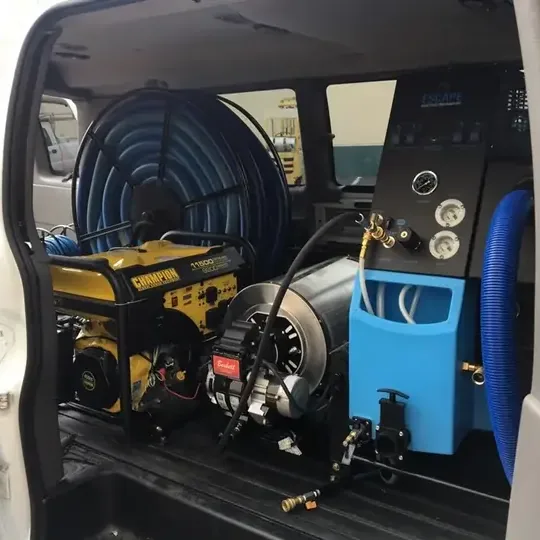
- Truck-mounted water extraction
- Daily psychrometric logs
- Photo records for adjusters
Papers an adjuster will ask for
Have these ready for the claim, and the crew supplies the drying records.
- Photos of the damage and the source
- The date and time the water started
- A list of damaged belongings and flooring
- Moisture maps, readings and equipment logs
Coverage depends on the policy and on how the water entered, so the adjuster decides what is paid. The crew documents the loss and does not promise a claim outcome.
Where the water came from sets the plan
Category 1, clean source
Supply pipes, a failed tank or a sink overflow start clean, but that water slides toward the next category if materials stay wet.
Category 2, gray water
Washer and dishwasher discharge carries some contamination, so soaked carpet pad and other porous materials usually come out.
Category 3, black water
Sewage and rising creek water carry the highest risk, so the crew works in containment with protective gear.
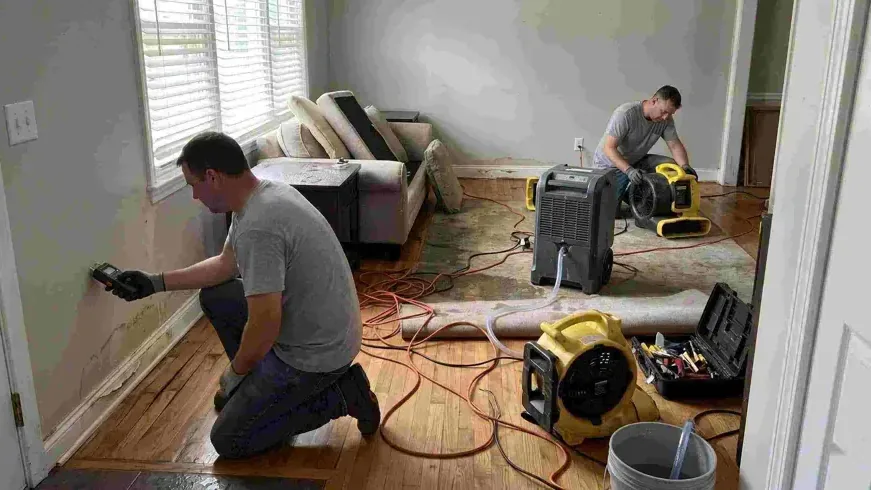
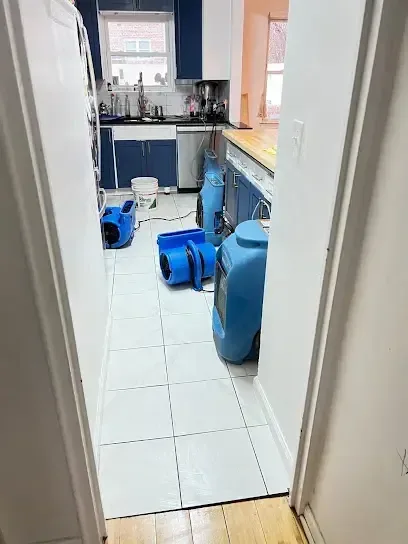
Sewage backup cleanupMeters, pumps and air movers at work
Covering Oakland, Highway 64 and the streets around it
The crew covers ZIP 38060, from the Highway 64 corridor to the subdivisions and creek-side streets listed below.
ZIP code served
Calls from Northwood Estates, Twin Oaks, Cross Creek and the rest get the same plan: find the water, stop it, then dry the structure to readings.
Lakeside
Northwood EstatesBlack Ankle Drive
Neighborhoods
Twin OaksCross CreekBurton PlaceFairoaks
Corridors
Highway 64Highway 194Bowers Road
Nearby towns
One call reaches Oakland water damage pros, 24/7
Pipes split on holidays and storms arrive after dark, so the crew is reachable at any hour. Trouble at the street or meter is a different matter: the Town posts its own after-hours number for water emergencies online.
Creek and lake overflow is the water risk on record in Oakland
Oakland grew from 1,279 residents in 2000 to 8,936 in 2020, so much of the housing is fairly recent. The flooding on record is tied to Black Ankle Creek and the lake behind Northwood Estates homes. Heavy rain is the trigger, so ground-floor water, mud and debris are the usual starting point there.

Northwood Estates flooded, with seven houses affected, then flooded again about a year later.
Overnight rain on July 8 into July 9 flooded ground floors there and left water two feet deep at times on Black Ankle Drive, as the creek and the lake behind the homes both overflowed.
- Creek and lake overflow: heavy rain overwhelms Black Ankle Creek and the lake behind Northwood Estates homes.
- As of July 2014 the Town said a $900,000 FEMA grant to dredge and widen the creek was stalled while easements were acquired.
- Regional storm warnings reached Fayette County on December 10, 2021, a reminder that roofs leak after storms.
- The February 2021 winter storm cut water pressure across Memphis and Shelby County, a reminder that freezes split pipes.
Questions homeowners ask
What should I do first when water gets into my house?
Close the shutoff valve at the fixture or the main valve, switch off power to wet rooms and photograph everything. Then call the crew. Trouble at the street or meter goes to the Town, which posts an after-hours number online.
Does the crew handle creek and lake flooding?
Yes. Northwood Estates flooded in 2009, about a year later and again on July 8 to 9, 2014, so mud-out, debris removal and Category 3 flood cleanup are part of the work, not an add-on.
Does insurance cover water damage in Oakland homes?
Often, when the water was sudden, like a pipe break or an appliance failure. Flood from rising creek water usually needs separate flood coverage, so the policy and the adjuster decide.
How long does structural drying take?
It depends on what got wet and for how long. Equipment stays until each material reaches its drying goal on the meter, so the crew works to the readings, not to a set number of days.
What if the water is sewage?
Sewage inside a house is Category 3. The crew works in containment, removes porous materials it touched and disinfects. Report the backup to the Town too, since it runs the sewer system.
Will carpet and pad have to come out?
After clean-water leaks, carpet is often dried in place and the pad replaced. After gray or black water, carpet and pad usually go because they cannot be cleaned reliably.
Can wet drywall and insulation be saved?
Clean-water drywall can often be dried in place with injection drying. Saturated insulation, and anything touched by contaminated water, is cut out and replaced.
Does the crew work on businesses and plants?
Yes. Offices, plants and recreation sites get phased drying plans with containment between zones, so the rest of the building can keep operating.
Is a ceiling stain after a storm an emergency?
It can be. Wet insulation holds water against drywall, so a stain, sag or drip deserves a prompt look. Photograph it and call, even if the rain has stopped.
Does the crew talk to my insurance adjuster?
The crew shares photos, moisture maps and equipment logs, which adjusters use to see what was wet. The policy, not the crew, decides what is paid, and the crew makes no promise about a claim.
Wet floors and walls need a drying plan
Describe the water, the rooms it reached and how long it has stood, and the crew builds a plan around the source and the moisture readings.